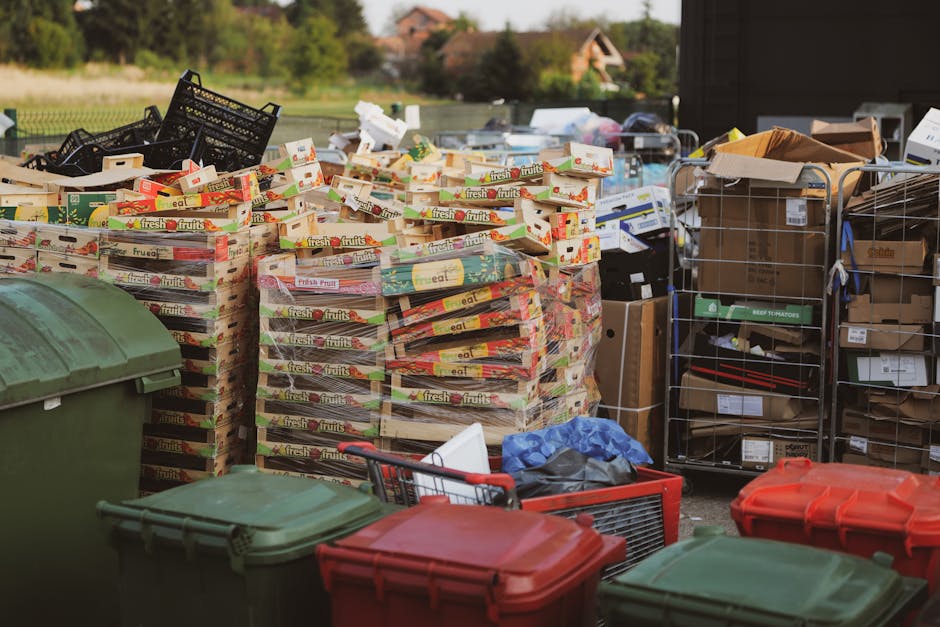
Redbridge council rules for Ilford rubbish disposal
Posted on 31/07/2026

Redbridge council rules for Ilford rubbish disposal: a practical local guide
If you live in Ilford, run a business here, or are clearing out a property between jobs, the rules around waste can feel oddly specific. One minute it's a bin question, the next it's bulky waste, garden cuttings, or a pile of boxes after a house move. Redbridge council rules for Ilford rubbish disposal matter because the wrong choice can lead to missed collections, fly-tipping risk, unwanted mess outside your door, or simply a very irritating afternoon.
This guide breaks the topic down in plain English. You'll see how local rubbish disposal typically works in Ilford, what to check before putting anything out, when council collection makes sense, when a private clearance is the better fit, and how to stay compliant without overthinking it. Straightforward, local, and useful.
- Why the rules matter in Ilford
- How rubbish disposal works in practice
- Benefits of following the rules properly
- Who this guide is for
- Step-by-step guidance
- Expert tips for smoother disposal
- Common mistakes to avoid
- Tools, resources and recommendations
- Law, compliance and best practice
- Options and comparison
- Real-world example
- Practical checklist
- Conclusion
- Frequently asked questions
Why Redbridge council rules for Ilford rubbish disposal Matters
At street level, rubbish disposal looks simple. You have waste, you want it gone. But in a busy place like Ilford, where homes, flats, shops, landlords and offices all sit close together, waste has to be handled with a bit of order. That is the whole point of local rules: keeping pavements usable, reducing vermin and odours, and preventing rubbish from becoming everyone else's problem.
The practical reality is that Redbridge council rules for Ilford rubbish disposal shape what you can leave out, when you can leave it out, and how it should be handled if it is too big for a normal bin. If you ignore them, the result is rarely dramatic at first. It's usually quieter than that. A bag tears. A bin gets rejected. A bulky item sits there longer than planned. Then someone else complains. Annoying, yes, but also avoidable.
There's another reason this matters: once you start dealing with mixed waste, you have to think about recycling, safe handling and lawful disposal. Not everything belongs in the same pile. A broken chair, a fridge, garden clippings and builders' rubble all need different handling in practice. If you are clearing out a flat near the High Road, a house near Valentines Park, or a small office with old furniture, the right approach can save time and reduce stress.
For many people, the safest path is to plan waste before the mess builds up. That sounds obvious, I know. But in real life, rubbish tends to appear in waves: after a tenancy ends, after a garden cutback, after a delivery of new furniture, or after a renovation that went from "just a few repairs" to "how did we end up with this much dust?"
How Redbridge council rules for Ilford rubbish disposal Works
In practice, rubbish disposal in Ilford usually falls into a few broad routes: regular household bin collections, scheduled council services for larger items, and private waste removal for jobs the standard system cannot comfortably handle. The key is matching the waste to the right route.
For everyday household waste, the main expectation is that you use the correct bins, keep the area tidy, and present waste in the way the council requires. For bulky items or larger one-off jobs, you may need a separate collection arrangement. And if you are dealing with a heavy clear-out, business waste, builders' debris or mixed items from a property clearance, a dedicated service is often the more practical option. If you need broader help with mixed loads, waste disposal in Ilford is usually the better route than trying to force everything into standard household collections.
The important thing is not to guess. Waste rules can differ depending on whether the item is household, recyclable, reusable, electrical, hazardous, green waste, or commercial. A few common examples:
- General household rubbish: usually goes in the correct domestic bin stream.
- Recyclables: should be separated where local collection expects that.
- Bulky items: often need a separate collection or take-back arrangement.
- White goods and electricals: should be handled as special items, not dumped casually.
- Garden waste: is best kept apart from black-bag waste whenever possible.
- Trade or commercial waste: should be treated differently from household rubbish.
It also helps to understand that local enforcement usually focuses on the outcome as much as the action. In plain English, leaving bags out badly, putting waste out on the wrong day, or allowing rubbish to spill into the street can create problems even if you meant well. Meaning counts less than result here, to be fair.
For bigger jobs, private collection is often the smoother choice. A rubbish collection service in Ilford can be useful when you have several item types at once and need them removed in one visit rather than piecemeal over several weeks.
Key Benefits and Practical Advantages
Following the rules properly is not just about avoiding trouble. It actually makes life easier. You know where the waste is going, you reduce clutter faster, and you stop those small household or business jobs from turning into a bigger headache.
| Approach | Best for | Main advantage | Typical drawback |
|---|---|---|---|
| Regular council bin use | Everyday household waste | Simple and familiar | Limited capacity and item types |
| Bulky item arrangement | Sofas, beds, broken furniture, large appliances | Removes items too big for normal bins | Requires planning and correct booking |
| Private clearance service | House clearances, mixed waste, offices, builders' waste | Fast, flexible, handles mixed loads | Usually paid service |
| Reuse or resale | Usable furniture and appliances | Less waste, potential value recovered | Needs sorting and time |
The biggest practical benefit is time. If you've ever stood in front of a hallway full of unwanted items and thought, "right, now what?", you'll understand this instantly. A clear plan means fewer trips, fewer delays, and fewer accidental mistakes. That matters whether you are moving home, handling a tenancy change, or preparing a property for sale. If you are in that situation, a house clearance in Ilford can be more efficient than trying to piece together disposal options yourself.
There is also a cleanliness benefit. Rubbish left too long can attract pests, smell unpleasant in warm weather, and make shared entrances feel grim. Nobody wants that. Not after lunch, not on a rainy evening, not ever, really.
Finally, doing it properly supports recycling and reuse. Not every item should be treated as waste from the start. Some things can be passed on, some can be separated cleanly, and some should be taken to the correct disposal stream. A little sorting upfront makes a real difference.
Who This Is For and When It Makes Sense
This topic matters to far more people than you might expect. If you live in Ilford, it is obviously relevant. But it also applies to landlords, letting agents, shop owners, office managers, builders, and anyone helping a relative clear a property.
Here are the most common situations where these rules come into play:
- Homeowners who are decluttering or replacing bulky household items.
- Tenants who need to leave a property tidy at the end of a tenancy.
- Landlords and agents managing void properties or post-tenancy clearances.
- Families dealing with lofts, garages, or inherited belongings.
- Garden owners with seasonal cuttings, soil, branches, and mixed green waste.
- Businesses disposing of packaging, stock waste, office furniture or old equipment.
- Builders and tradespeople handling renovation debris and site waste.
A realistic example: a family clears a spare room after years of storage. There are old suitcases, a broken lamp, bags of books, a mattress, and a printer that no longer works. That is no longer a simple "put it in the bin" job. It needs sorting, maybe some reuse, maybe a special electrical disposal route, and probably a bigger uplift than one household bin round can handle.
If the job includes heavier furniture, the most sensible route may be a dedicated removal. For example, furniture disposal in Ilford is often the right fit when you have sofas, wardrobes or bulky chairs that won't fit standard collections.
And if you are wondering whether a private clearance is overkill, ask yourself one question: how many separate waste types are you actually dealing with? If the answer is "more than two, and one of them is awkward", you're probably looking at a job that needs more than just patience.
Step-by-Step Guidance
Here is the cleanest way to handle rubbish disposal in Ilford without drifting into confusion.
- Identify the waste type. Is it general rubbish, bulky furniture, garden waste, electrical items, building debris, or commercial waste?
- Separate reusable items first. Anything that can be donated, resold or reused should be taken out of the waste stream early.
- Check local collection expectations. Make sure bins, bags or items are presented correctly and on the right day.
- Decide whether the item needs a special route. Large appliances, mattresses, and mixed clear-out loads often do.
- Keep hazardous or unusual items apart. Don't mix them into ordinary rubbish.
- Measure volume honestly. Guessing too low is one of the fastest ways to create a booking issue.
- Choose the right service. For larger or mixed jobs, a private collection or specialist clearance can save time.
- Confirm access and parking. In Ilford, this is a bigger deal than people expect, especially near busier roads and tighter streets.
A tiny but important detail: if your waste is scattered across a loft, hallway and garden, bring it all into one place before collection day if possible. It makes the job simpler and usually faster. If you need help with awkward storage spaces, loft clearance in Ilford can be a smart way to deal with items that have been sitting up there far too long.
For garden waste, keep it separate if you can. Branches, grass cuttings and hedge trimmings behave differently from mixed household rubbish. A dedicated garden waste removal service in Ilford is often the neatest solution after pruning or seasonal tidy-ups.
And if you are handling commercial premises, the rulebook gets a bit less forgiving. Shop waste, office clear-outs and stock packaging should be treated as business waste, not just "rubbish in bags".
Expert Tips for Better Results
From a practical point of view, the best rubbish disposal jobs are the ones where people prepare a little more than they think they need to. Not wildly more. Just enough to avoid the usual friction.
- Photograph mixed waste before booking. It helps with estimating volume and spotting special items.
- Separate electricals early. Wires, plugs and batteries can complicate things if left in a mixed pile.
- Flatten cardboard and packaging. It saves space and makes loading cleaner.
- Don't leave it until the last minute. The evening before a clearance is where stress tends to double. Funny how that works.
- Think about access. Narrow stairs, shared hallways and permit zones can affect timing.
- Plan for wet weather. Rain turns cardboard and soft items into a soggy nuisance quickly.
One good habit is to ask yourself whether the waste is likely to smell, stain, or break apart if left for another day. If the answer is yes, move it sooner. This is especially true for kitchen clear-outs, garden jobs after damp weather, and old furniture that has been stored in a garage.
If you are booking a collection, be specific about the items. "A few things" is not helpful. "One sofa, one mattress, six bags, and two broken shelves" is much better. It sounds obvious, but you'd be surprised how often people say "just some rubbish" and then remember the washing machine five minutes later.
For businesses, office and shop waste deserves a proper plan too. A reliable office clearance in Ilford can keep the workspace tidy without disrupting customers or staff.
Common Mistakes to Avoid
This is where most avoidable headaches come from. The good news is that the mistakes are predictable.
- Leaving waste out on the wrong day. It may seem harmless, but it can create a mess or collection issue.
- Mixing recyclables with general waste. It reduces recycling quality and can cause the whole load to be less useful.
- Forgetting about restricted items. Fridges, freezers, TVs, mattresses and paint tins need special attention.
- Underestimating how much there is. One pile in the corner often turns into three once you start sorting.
- Blocking access routes. Shared entrances, stairwells and pavements need to stay clear.
- Using an unlicensed collector. This is a serious one. If waste is handled badly after collection, you can still end up with problems.
- Assuming all disposal options cost the same. They don't. The cheapest option is not always the best value once time and labour are counted.
Another common issue is bad timing. People often book a clearance right after a purchase, a move, or a tenant departure, then realise the access is poor or the list of items is incomplete. That is exactly how jobs get delayed. A bit of honesty up front prevents that awkward scramble later.
If you want to avoid the usual booking headaches, it helps to read up on booking mistakes for Ilford rubbish collection before confirming a collection.
Tools, Resources and Recommendations
You do not need a toolkit full of specialist gear to dispose of rubbish properly, but a few simple tools make the job easier.
- Heavy-duty bags for small mixed waste.
- Label stickers or marker pens for sorting items by room or type.
- Gloves for sharp edges, dust, and awkward lifts.
- Mask and cleaning cloths when dealing with dusty lofts or long-stored items.
- Measuring tape if you're estimating bulky waste volume.
- Phone camera to document what needs removing.
In terms of practical recommendations, a sensible approach is to separate your waste into five simple groups: keep, donate, recycle, special disposal, and remove. That little framework cuts through a lot of indecision. It sounds almost too basic, but it works.
If you are dealing with a property sale, renovation, or rental turnover, waste planning should sit alongside your wider timeline. An early sort-out is easier than trying to arrange clearance when your painter, removals team and solicitor all want different things at once. For local property context, you may also find these Ilford guides useful: is Ilford a good place to reside?, discovering Ilford as a London suburb, and real estate transactions in Ilford.
For broader service planning, the services overview page is a helpful starting point if you are comparing options across different types of waste.
Law, Compliance, Standards, or Best Practice
Waste disposal is not just a cleanliness issue. It is a compliance issue too. In the UK, waste has to be handled responsibly, and householders, landlords and businesses all have some level of duty to make sure rubbish is passed to an appropriate collector or disposal route.
The safest general rule is this: if you pay someone to remove waste, make sure they are operating legitimately and can show they are set up to handle waste properly. If waste is handed to the wrong person and later dumped illegally, there can be trouble for everyone involved. That is why it is worth checking credentials before booking.
For businesses, the standard is even higher. Commercial waste should be kept separate from domestic waste and documented appropriately where needed. Offices, shops and landlords managing multiple units should treat waste as part of the property's operational responsibility, not as an afterthought. The same goes for renovation debris. If it looks like builders' waste, it needs builders' waste handling. There's no magic workaround, sadly.
Good practice also means protecting shared spaces. Keep pavements open, don't block fire exits, and avoid leaving items where they can blow over or leak. Wet cardboard sliding across a doorstep on a windy afternoon is a very London problem, and a preventable one.
If safety and handling are part of your concern, you may also want to review insurance and safety information and the page on waste carrier licence and compliance. Those pages help you think about responsibility before the truck turns up, which is the right way round, frankly.
For sustainability-minded readers, separating reusable and recyclable material is still best practice. It reduces landfill pressure and often makes the whole process feel less wasteful. Small effort, real payoff.
Options, Methods, or Comparison Table
Choosing the right method depends on what you're clearing and how quickly you need it gone. Here is a simple comparison.
| Method | Speed | Best use case | Works well for | Less suitable for |
|---|---|---|---|---|
| Council bin collection | Routine | Weekly household waste | General domestic rubbish | Bulky, mixed, or special items |
| Special bulky collection | Moderate | Single large household items | Beds, sofas, large furniture | Big mixed clear-outs |
| Private rubbish removal | Fast | One-off clearances | Households, landlords, offices | Only if you want to do it yourself |
| Reuse, donation or resale | Variable | Useful items in good condition | Furniture, appliances, books | Damaged or contaminated items |
In the real world, people often combine methods. A landlord may reuse some furniture, dispose of the damaged items, and clear the rest in one booking. A homeowner may recycle packaging, donate usable bits, and remove the rest professionally. That blended approach is often the sweet spot.
If you are comparing service types, it may help to look at waste clearance in Ilford for mixed loads, builders' waste disposal in Ilford for renovation debris, or commercial waste removal in Ilford if you run a business.
For heavier or room-specific jobs, there are also dedicated routes such as furniture removal in Ilford and white goods and appliance disposal in Ilford.
Case Study or Real-World Example
Here's a realistic example from everyday Ilford life. A couple moving out of a flat in IG1 had a mattress, a wardrobe, two office chairs, a bag of mixed clothes, three broken storage boxes and a small pile of garden offcuts from a balcony planter. Nothing extreme. But enough to create friction if handled poorly.
At first, they thought they could leave everything out with the regular rubbish. Then they realised the mattress was awkward, the wardrobe was too large, and the balcony trimmings did not belong with the general waste. The result would have been a split-up job, maybe extra trips, and a mess on a shared landing.
Instead, they sorted the items into clear categories: keep, donate, recycle, and remove. Usable clothes were bagged separately. The garden offcuts were kept apart from household rubbish. The bulky items were booked for one collection. Done.
The difference was not just convenience. It also reduced the risk of waste sitting in the communal area for days. In a block of flats, that matters. Shared hallways pick up odours quickly, and neighbours notice clutter straight away. You can almost hear the sighs through the wall, can't you?
Another example: a local shop refitting its interior had cardboard, display units and worn furniture to remove after closing time. Because the waste was mixed and time-sensitive, a commercial approach made more sense than trying to rely on standard household disposal. In that sort of scenario, private collection is less about luxury and more about keeping the business moving.
Practical Checklist
Use this before you put anything out or book a collection.
- Have I identified the exact type of waste?
- Have I separated reusable items first?
- Do any items need special handling, like electricals or appliances?
- Is the waste ready in one place and easy to access?
- Have I checked whether it is household, garden, commercial or builders' waste?
- Do I know whether the job is small enough for routine disposal or too large for that?
- Have I allowed for parking, stair access or shared entrances?
- Have I kept hazardous, sharp, or leaking items apart?
- Am I using a legitimate disposal route?
- Have I allowed a bit of extra time in case the pile is larger than expected?
If you can tick most of those off, you're in good shape. If not, pause for five minutes and sort the basics. It really does pay off.
For larger clear-outs, especially after a move or property change, a little extra planning goes a long way. And if speed matters, you may find same-day rubbish removal in Ilford useful as a practical reference point, especially when time is tight.
Conclusion
Redbridge council rules for Ilford rubbish disposal are not there to make life difficult. They exist to keep the area tidy, protect shared spaces, and make sure waste is handled responsibly. Once you understand the basic categories and match the right disposal route to the right type of waste, the whole thing becomes much more manageable.
The biggest win is simple: avoid guessing. Identify the waste, sort it properly, and choose the most sensible method for the job. That could be routine household disposal, a bulky item arrangement, a garden waste service, or a full clearance. The right decision usually becomes obvious once you look at the whole pile honestly.
If there's one thing to remember, it is this: good waste disposal is mostly about preparation, not drama. A tidy plan saves time, keeps neighbours happier, and stops small issues from snowballing. And that, in Ilford, is worth quite a lot.
Get a free quote today and see how much you can save.