Permits and fines for Ilford skip and rubbish removal
Posted on 18/08/2026

Permits and fines for Ilford skip and rubbish removal: what you need to know before you book
If you are planning a clear-out in Ilford, the last thing you want is a surprise fine, a refused collection, or a skip sitting awkwardly on the road because the paperwork was never sorted. Permits and fines for Ilford skip and rubbish removal are not exactly thrilling dinner-table conversation, but they matter a lot once waste touches the public highway or is left in the wrong place. The good news? Once you understand the basics, it becomes much easier to stay compliant, keep costs under control, and avoid the sort of headache that turns a simple clearance into a messy week.
This guide explains how permits usually work, when fines can happen, what mistakes to avoid, and how to choose the right removal method for your property, business, or building project in Ilford. It is written for real-life situations too: a house clearance, a garden tidy-up, a builders' job, or that awkward pile of furniture in the hallway that keeps staring at you every time you pass.
Why Permits and fines for Ilford skip and rubbish removal Matters
At first glance, a skip permit can feel like a small admin task. In reality, it affects timing, cost, access, and whether your waste is handled legally. If a skip is placed on a public road without permission, or rubbish is dumped where it should not be, the consequences can range from a warning to a fine, and sometimes the removal job itself gets delayed or interrupted.
In Ilford, this matters because many streets are busy, parking is tight, and access is not always straightforward. A skip that blocks sight lines, a collection van parked badly, or mixed waste left outside too long can attract complaints quickly. Anyone who has tried to manoeuvre around a narrow residential road on a wet weekday morning will know the feeling. It is not the moment to improvise.
There is also a difference between a legal, well-managed clearance and what people loosely call "rubbish removal." A professional clearance may involve licensed collection, sorting, recycling, and responsible disposal. A skip job may require permission depending on where it is placed. If you are clearing out a loft, garage, rental property, or office, the safest route is to think about the legal side before the first bag is lifted.
Practical takeaway: if waste is going anywhere public, visible, or shared, assume there may be rules attached. That simple habit saves time later.
If you are trying to plan a larger clearance, it can help to review the wider rubbish removal services available in Ilford alongside the compliance side, because the right method depends on access, volume, and how quickly you need the area cleared.
How Permits and fines for Ilford skip and rubbish removal Works
Let's keep this plain. If a skip sits wholly on private land, such as a driveway or private yard, a permit may not be needed. If it goes on a public road, pavement, verge, or any shared highway area, permission is usually required. The same general principle applies to waste left out for collection: if it is placed somewhere that causes obstruction or breaches local rules, you may be at risk of enforcement action.
The exact process depends on the location, the type of waste, and whether a council or highway authority needs to approve placement. In practice, a reputable provider usually helps check the route, timing, and whether a skip is even the right choice. For many households, a van-based collection is simpler because the rubbish is loaded and removed in one visit, without leaving a container outside for days.
Fines tend to happen when people cut corners, misunderstand responsibility, or assume somebody else has dealt with the paperwork. A common misunderstanding is thinking the skip company automatically covers every permission. Sometimes they do arrange it; sometimes they only advise; sometimes the customer must confirm certain details. That is why it is worth asking the question early rather than the night before delivery.
Here is the typical chain of events when things go well:
- You estimate the waste and decide whether a skip or collection is more suitable.
- You check whether the waste will sit on private property or public land.
- You confirm any permit or access requirements before booking.
- You sort restricted items, heavy items, and recyclable materials.
- The waste is removed lawfully, with the correct paperwork where needed.
And here is the chain when things go badly: the skip arrives, neighbours complain, the road obstructs traffic, or a poorly planned drop-off gets refused. Not ideal. Not even close.
If you want a sense of how different clearance types behave in real life, the page on waste clearance in Ilford is a useful companion, especially for mixed household and bulky rubbish situations.
Key Benefits and Practical Advantages
Getting the permit and compliance side right is not just about avoiding punishment. It makes the whole job easier.
- Fewer delays: bookings are less likely to be cancelled or pushed back.
- Lower risk: you reduce the chance of obstruction complaints, fly-tipping issues, or avoidable enforcement.
- Better budgeting: you can compare skip hire, collection, and alternative disposal more accurately.
- Cleaner project flow: builders, decorators, landlords, and homeowners can keep the site moving.
- Less stress: nobody wants to chase paperwork when they are already under pressure from a move, renovation, or end-of-tenancy deadline.
There is also a quiet benefit people often miss: clarity. When the legal side is settled, you make better decisions about what stays, what goes, and what can be recycled. That can save more than time. It can prevent duplicate handling and reduce the amount of waste you pay to move in the first place.
For homeowners doing a one-off clear-out, a clear process often works better than trying to piece together multiple trips to the tip, borrowed trailers, or last-minute favours. For landlords and agents, it is even more valuable because missed deadlines and complaints can snowball quickly. For commercial premises, orderly disposal is simply part of running a professional site.
When in doubt, it is often worth looking at a direct collection option such as rubbish collection in Ilford if you want the waste gone without managing a skip on the road.
Who This Is For and When It Makes Sense
This topic is relevant to more people than you might expect. It is not only for builders or big property projects. In fact, many of the most common permit and fine issues come from everyday jobs.
Homeowners and tenants
If you are clearing a loft, garage, shed, or back garden, you may have bulky items, mixed rubbish, and limited parking. That is where questions about skip placement and obstruction tend to come up. Even a simple sofa removal can create a problem if it is left at the front of the property for too long.
Landlords and letting agents
End-of-tenancy waste is a classic pressure point. You want the place empty, tidy, and ready for the next occupant, but the route you choose needs to be compliant. A professional house clearance service in Ilford is often easier than coordinating multiple ad hoc trips, especially when time is tight.
Builders and trades
Builders' waste can pile up fast. Plasterboard, timber, packaging, rubble, old fittings, and general site mess all add up. Skip hire might suit some jobs, but access, location, and permit requirements should be checked early. A small delay can hold up the whole project, and nobody on site likes that conversation.
Businesses and offices
Office moves, refurbishments, and stock room clear-outs can generate more waste than expected. Chairs, desks, IT packaging, shelves, and paper waste all need proper handling. Commercial sites should be especially careful because waste left in communal or public areas can create complaints quickly.
For businesses in particular, browsing commercial waste removal in Ilford can help you understand the type of service that fits office, retail, or mixed-use premises better than a basic one-off skip booking.
Step-by-Step Guidance
If you want the safest route through permits and fines, follow a process like this. Simple, but effective.
- List the waste type. Separate general rubbish, bulky items, green waste, builders' debris, appliances, and anything potentially hazardous.
- Check the location. Ask whether the skip or loaded waste will sit entirely on private land. If not, assume permission may be needed.
- Confirm access. Look at width, turning space, overhead cables, parked cars, and neighbours' driveways. Space is often the hidden problem.
- Choose the right disposal route. Skip, van collection, specialist disposal, or a mixed clearance service may suit different jobs.
- Clarify responsibility. Ask who arranges permits, who pays, and what happens if the job cannot proceed as planned.
- Prepare the waste. Break down furniture if needed, remove loose contents, and separate prohibited items.
- Keep records. Save booking confirmations and any compliance notes, especially for commercial or repeated waste movements.
A small practical note: if you are planning a collection around a busy day, such as school-run hours or a Saturday morning in a crowded street, give yourself more breathing room. Ilford roads can fill up fast, and access that looks fine at 8am can become awkward by midday. It happens all the time.
For larger or mixed jobs, a waste disposal service in Ilford may be more flexible than committing to a skip that sits outside longer than you want.
Expert Tips for Better Results
Here is the sort of advice that tends to save people trouble.
- Ask about the permit before you book. Not after. Before.
- Check if a driveway is truly suitable. A space that looks large enough can still be awkward for loading or lifting.
- Keep loads tidy. Loose debris, overfilled containers, and scattered rubbish make problems more likely.
- Separate reusable items early. Furniture, metal, wood, and green waste can often be handled more efficiently when sorted first.
- Think about neighbours. A polite heads-up can prevent complaints, especially if access is shared.
- Use the right service for the right job. Heavy builders' waste and household clutter are not always handled the same way.
One thing experienced property managers tend to do very well: they plan the waste route alongside the project schedule. That means clearance happens before snagging, before decorating, or before final handover, not in the panic window at the end. Small detail, big difference.
If you are working on a property refurbishment, the page for builders' waste disposal in Ilford is worth a look because builders' waste often creates the strongest permit and access issues.
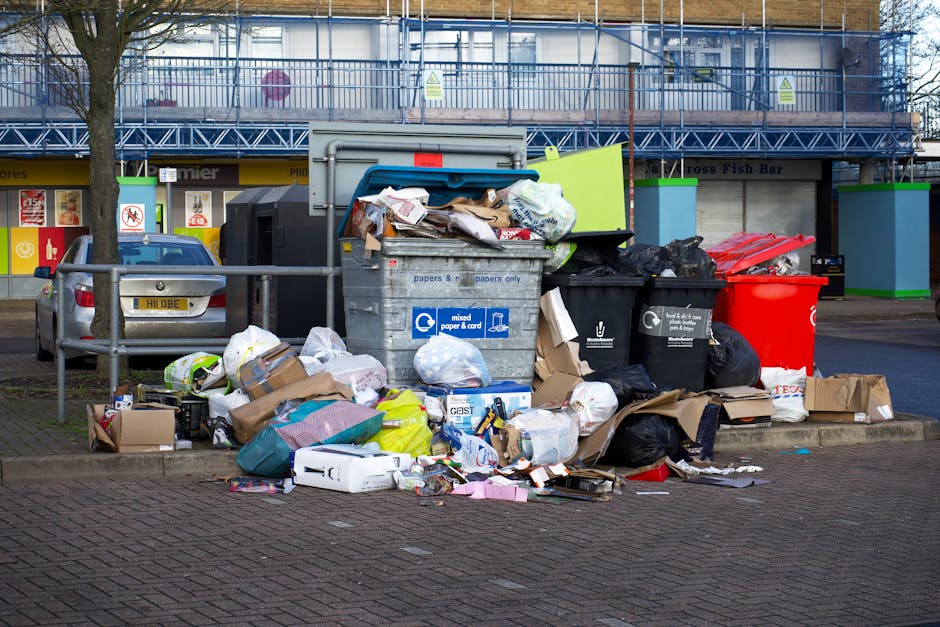
Common Mistakes to Avoid
Most fines and avoidable costs come from a handful of predictable errors. The good news is that they are easy to prevent once you know them.
- Assuming a skip can go anywhere. It cannot, especially not on a public road without checking permission.
- Booking before checking access. Low branches, tight corners, parked vehicles, or restricted hours can derail a job.
- Mixing restricted items with general rubbish. Some waste needs special handling, and ignoring that can create extra charges or refusal.
- Leaving waste outside too long. The longer it sits, the more likely it is to cause complaints or attract attention.
- Not reading the booking details. This is the boring bit, yes, but the boring bit is where the trouble lives.
- Choosing on price alone. Cheap can become expensive very quickly if the provider is vague about permits, exclusions, or compliance.
Another common problem is believing that "someone else will sort it." Maybe they will. Maybe they will not. If responsibility is unclear, ask. It is a much easier conversation now than after a delivery fails or a notice arrives.
And honestly, nobody enjoys paying for a mistake that could have been avoided with a five-minute check.
Tools, Resources and Recommendations
You do not need a complicated toolkit to stay compliant, but a few practical habits help a lot.
- Photos of the site: take clear pictures of the access point, pavement, driveway, and any tight corners.
- A rough waste list: note furniture, bags, rubble, green waste, appliances, or office items before booking.
- Measurement tape: useful for gates, driveways, and skip placement decisions.
- Booking notes: keep time windows, access instructions, and special handling requests in one place.
- Sorting bags or boxes: make it easier to separate recyclable items from general rubbish.
For some homes, furniture disposal in Ilford is the most sensible route because it avoids the problem of oversized items sitting around while you try to organise a skip permit. For bulky clearances, that can be a genuine stress-saver.
If sustainability matters to you, there is also value in looking at recycling and sustainability. The more you separate reusable and recyclable items ahead of time, the less waste ends up being treated as general rubbish.
Expert summary: the simplest way to avoid permit headaches is to plan the disposal method around the property, not the other way around. That one mindset shift solves a surprising amount.
Law, Compliance, Standards, or Best Practice
This area touches law and compliance, so caution matters. The exact permit rules, enforcement methods, and fine levels can change by location and circumstance. In general, public highway use, obstruction, fly-tipping, and improper waste handling are the key risks. The safest approach is to follow local authority requirements, use licensed and insured operators, and keep waste movement clearly documented where needed.
For households, best practice usually means making sure rubbish is presented correctly, not blocking communal areas, and not leaving items in a way that creates a hazard. For businesses, record-keeping becomes more important. Duty of care expectations are broader, and you should be able to show that waste was transferred appropriately.
If you are comparing providers, it is sensible to ask about licensing and compliance documentation. A company page such as waste carrier licence and compliance can help you understand what responsible practice looks like, even if your actual booking is just a one-off job.
The practical standard to aim for is simple: no guessing, no dodging, no vague hand-waving. If a provider cannot explain how they handle permits, access, and waste transfer in plain English, that is a sign to slow down.
Options, Methods, or Comparison Table
Choosing between a skip and a rubbish collection service depends on location, volume, and how long you need the waste to stay on site. Here is a practical comparison.
| Option | Best for | Permit concern | Typical advantage | Watch-outs |
|---|---|---|---|---|
| Skip hire | Large loads, ongoing refurbishments, repeated filling | Higher if placed on public land | Can stay onsite while work continues | May need a permit, space, and tidy loading |
| Van-based rubbish removal | One-off clearances, bulky items, mixed household waste | Usually lower, depending on stopping location | Fast, often simpler for homes and flats | Needs clear access and accurate waste description |
| Specialist disposal | Appliances, office items, heavy or awkward loads | Varies by item and location | Better handling of specific waste streams | Some items need separate arrangements |
| Garden waste collection | Branches, clippings, soil, seasonal clearance | Usually low, if collected directly from property | Cleaner finish after outdoor work | Green waste can be heavier than it looks |
For many Ilford households, especially where parking is tight, collection is simply less stressful than a skip. For longer renovation work, a skip can make sense, but only if the placement and paperwork are handled properly. It is not about which option is "best" in theory. It is about what fits the street, the site, and the waste.
Case Study or Real-World Example
A typical local scenario goes like this. A homeowner in a terraced street wants to clear an old shed, some broken furniture, and a pile of garden clippings after a weekend of work. At first, they consider a skip because "it seems easier." Then they realise the road is narrow, parking is limited, and the skip would almost certainly need permission if placed outside.
Instead, they choose a direct collection service. The waste is sorted before the crew arrives, the bulky furniture is separated from the green waste, and the load is taken away in one visit. No container is left out overnight, no neighbour has to shuffle their car around a big metal box, and there is no last-minute panic about where the skip can legally sit.
That same sort of decision comes up with loft clearances too. Once people start pulling down old boxes, broken lamps, books, and furniture, the volume feels bigger than expected. A service like loft clearance in Ilford can be more practical than trying to manage a skip from a cramped street, especially if access is awkward or the waste needs lifting down stairs.
The point is not that skips are bad. They are useful in the right place. The point is that the right choice depends on the actual site, not just the amount of rubbish.

Practical Checklist
Use this checklist before you book anything. It keeps the process surprisingly calm.
- Have I confirmed whether the waste will sit on private or public land?
- Do I know who is responsible for any permit or permission?
- Have I checked access, parking, and turning space?
- Have I listed bulky items, green waste, builders' waste, and any special items separately?
- Do I know whether a skip or direct collection is more suitable?
- Have I asked about time windows and likely delays?
- Are there neighbours, tenants, or staff who should be warned in advance?
- Have I kept booking details and compliance notes in one place?
- Does the provider explain licensing, insurance, and disposal clearly?
- Am I happy with the total cost before the job starts?
A quick checklist like this may seem almost too simple, but it catches the silly mistakes. And the silly mistakes are usually the expensive ones.
Conclusion
Permits and fines for Ilford skip and rubbish removal are really about one thing: planning the job properly before waste starts piling up. If you know where the waste will go, who is responsible for permission, and which disposal method suits the street or site, you can avoid most of the risks that catch people out. That means fewer delays, fewer complaints, and far less chance of paying for a preventable mistake.
For local homeowners, landlords, trades, and businesses, the safest approach is straightforward: check access, confirm compliance, and choose the service that fits the property rather than forcing the property to fit the service. Simple enough, though not always as simple as people hope on a busy Monday morning.
Get a free quote today and see how much you can save.
When the paperwork is clear and the waste is handled properly, the whole job feels lighter. That is usually the moment people realise it was worth getting right from the start.