Ilford waste disposal rules for flats and landlords
Posted on 05/10/2026
If you manage a flat, a small block, or a rented property in Ilford, waste can become one of those quiet problems that turns noisy fast. A missed collection, a broken bin lid, or a pile of black sacks in the wrong place can lead to complaints, pests, bad smells, and awkward conversations with tenants or neighbours. The truth is, Ilford waste disposal rules for flats and landlords are less about one dramatic law and more about doing the basics properly, every week, without fuss.
This guide walks through what landlords and flat owners actually need to know, how collections and storage tend to work in practice, where people slip up, and how to keep things compliant and manageable. No fluff. Just the stuff that saves time, protects your property, and makes life a bit easier.
Why Ilford waste disposal rules for flats and landlords Matter
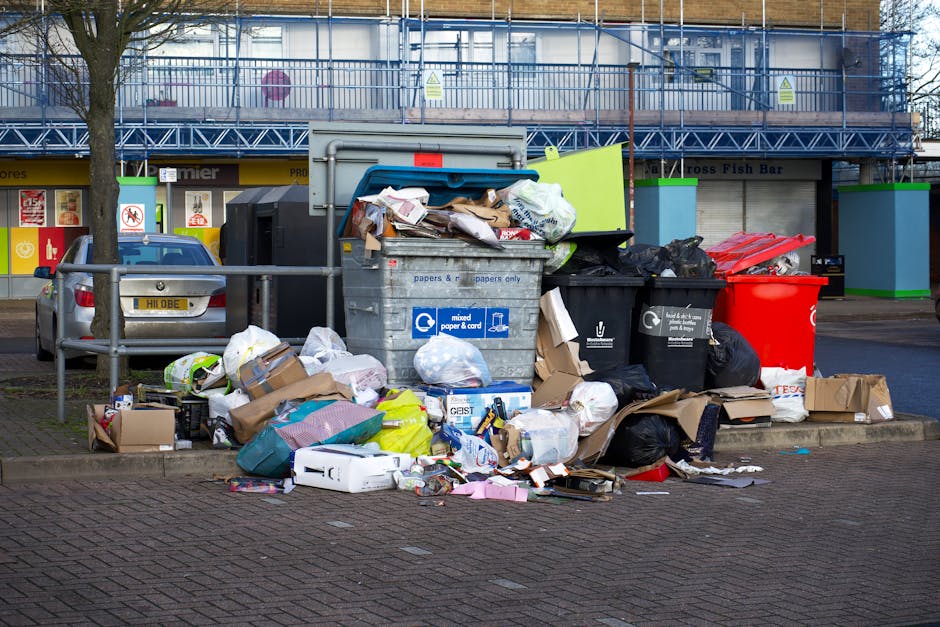
Waste in flats is rarely just "a bin issue". It affects the whole building. One overflowing communal bin can attract flies in summer, get dragged across a path by foxes overnight, or trigger complaints from residents who feel the place is slipping. In a rental property, that quickly becomes a landlord issue, even if the mess started with a tenant or a contractor.
In Ilford, as in much of London, the practical side matters as much as the formal side. Flats often share storage space, collection points, access routes, and responsibility. So the rules are about more than putting rubbish out on the right day. They are about bin capacity, segregation, access for collection crews, preventing obstruction, and keeping the site tidy enough that waste does not become a recurring nuisance.
For landlords, there is also a reputational angle. Let's face it, a clean entrance and a well-run bin area make a property feel cared for. That helps with tenant satisfaction, neighbour relations, and sometimes even renewals. A messy waste setup can make a building feel neglected in about ten seconds flat.
Practical takeaway: if you own or manage flats in Ilford, treat waste handling as part of property management, not an afterthought.
How Ilford waste disposal rules for flats and landlords Works
There are usually three layers to think about: local collection arrangements, property-level rules, and legal duty of care. You do not need to memorise legislation word for word to get this right, but you do need a working system.
First, the local side. Different blocks may have different bin setups: communal wheelie bins, shared chute systems, individual bins, or a mix of general waste and recycling containers. Some properties rely on council collections, while others arrange private waste removal when the volume or type of waste goes beyond normal household rubbish.
Second, the property side. That means deciding where bins are stored, who moves them, when waste is put out, and how bulky items are handled. In a flat, the most common problems are simple ones: bins left in hallways, bags abandoned beside full containers, or residents putting recycling into the wrong stream because no one has made the rules clear.
Third, the legal side. Landlords and managing agents generally need to ensure waste is stored and disposed of safely and lawfully. If waste is collected by a contractor, that contractor should be properly authorised for the work they do. If you arrange removal for bulky waste, clearance, or commercial-type waste from common areas, keep records and use a trustworthy provider. There is no glamour in this, obviously, but paperwork matters when things go wrong.
For bigger clear-outs or recurring bulky items, many landlords use a local service such as waste disposal in Ilford rather than letting waste sit around and become a problem. That is especially useful after tenant moves, refurbishments, or the rare moment when everyone in the block decides to throw away a sofa at once. Funny how that happens.
Key Benefits and Practical Advantages
Doing waste disposal properly in flats is not just about avoiding trouble. It brings real, everyday benefits that you notice quickly.
- Cleaner shared spaces: bins, hallways, and entrances stay more pleasant to use.
- Fewer complaints: neighbours are less likely to report smells, pests, or overflowing waste.
- Lower risk of contamination: recycling and general waste are easier to separate when the system is clear.
- Less admin stress: a good routine prevents last-minute scrambles before inspections or void periods.
- Better tenant experience: people are more likely to respect a building that is visibly well managed.
- Reduced chance of fines or enforcement trouble: especially where waste is left in the wrong place or fly-tipped.
A clean waste system can also support sustainability goals. It is much easier to encourage recycling when residents know what goes where and where the bins are meant to be. No one enjoys sorting through mixed rubbish because a pizza box, a carrier bag, and half a mug of tea were all tipped together. Still happens though.
Who This Is For and When It Makes Sense
This topic matters to more people than you might think. If you are a landlord with one flat or several, a letting agent, a block manager, a resident director, or even a tenant trying to understand your responsibilities, the same broad principles apply.
It makes particular sense to tighten up waste procedures when:
- a property has shared bins or communal storage;
- there are regular complaints about rubbish left outside;
- tenants keep missing collection days;
- you are dealing with a change of occupancy;
- a flat is being cleared, renovated, or re-let;
- bulky items are building up in common areas;
- you manage multiple units and need a repeatable system.
Landlords of HMOs and converted houses should pay extra attention, because waste volumes tend to rise quickly and responsibility can get blurry if no one has set clear expectations. A one-line note in the tenancy pack is not enough. You need something people can actually follow.
If you are also dealing with clearance after a move-out, a loft tidy, or furniture disposal, related services like house clearance in Ilford and furniture disposal in Ilford can be helpful when the usual bins just are not enough.
Step-by-Step Guidance
Here is a practical way to set up waste handling for flats without overcomplicating it.
1. Map the waste points in the building
Start with the basics. Where are the bins kept? Who has access? Is there enough space for all residents to use them without blocking paths? A quick walk around the building at bin day tells you more than a dozen emails ever will.
2. Separate everyday waste from bulky waste
Normal household rubbish should have a routine. Bulky waste should have a separate rule. If tenants leave broken wardrobes, mattresses, or old appliances next to communal bins, that usually means the system is not clear enough. For appliances or white goods, a dedicated service such as appliance disposal in Ilford can save a lot of confusion.
3. Set collection days and resident instructions
Put the collection schedule somewhere obvious. Entry notice board, email, welcome pack, digital portal - ideally more than one place. People forget. Not because they are careless every time, but because life gets busy and bin day slips off the radar.
4. Decide who is responsible for movement and presentation
In some buildings, the managing agent moves bins out and back. In others, residents are expected to do it. Be clear. Ambiguity is where waste systems go sideways. If no one knows whose turn it is, the bin will sit exactly where it is, full and slightly insulting.
5. Build in a bulky waste route
For items too large for the regular bin store, set a process: who books it, who approves the cost, and where items can be left safely before pickup. A landlord who handles this early will usually avoid the much bigger problem of shared-area obstruction.
6. Keep records of unusual clearances
If you arrange a one-off clearance after a tenancy end, keep invoices, photos if needed, and notes on what was removed. That helps if a later dispute comes up about abandoned items or service quality.
7. Review the system after complaints or changes
If complaints keep coming back, do not just tell residents to "be more careful". That is not a plan. Review bin capacity, signage, access, and collection timing. Sometimes the issue is simply that the building has outgrown the current setup.
Expert Tips for Better Results
After enough property visits, a few patterns become obvious. The buildings that run smoothly usually do a few small things consistently.
- Label everything clearly. Simple signs beat fancy language every time.
- Use photos in resident guidance. A picture of the correct bin area helps more than a paragraph.
- Keep bin stores clean and lit. A dark, damp bin room invites misuse. It really does.
- Plan for move-outs. Most waste spikes happen around tenancy changes, not on ordinary weeks.
- Match capacity to occupancy. A one-size-fits-all bin arrangement rarely works in mixed blocks.
- Use a single point of contact. Residents need to know who to contact when a bin is full, missing, or damaged.
One practical trick: ask residents to report problems the same day they notice them. A full bin on Monday becomes a spill problem by Wednesday, and by Friday everyone is grumpy. Early reporting saves a lot of mess.
If your building also generates waste from repairs or refurbishments, it may be worth looking at builders waste disposal in Ilford or, for larger projects, a managed clearance service like waste clearance in Ilford. That is often cleaner and safer than trying to squeeze mixed debris into domestic bins.

Common Mistakes to Avoid
Most waste problems in flats come from the same handful of mistakes. Avoid these and you are already ahead.
- Leaving responsibility unclear. If nobody knows who manages the bin area, the system drifts.
- Assuming tenants will "just know". They usually will not, especially if the building has a unique setup.
- Mixing bulky waste with everyday rubbish. One mattress beside three bin bags looks harmless until it stays there for a week.
- Using the wrong contractor. If waste is removed by someone unfit to handle it properly, the risk sits with the property owner too.
- Ignoring recycling confusion. A small amount of contamination can spread fast in a communal setup.
- Not planning for holidays and absences. Missed bin day plus a bank holiday can create a mini disaster. Ask anyone who has lived in a warm flat in August.
- Blocking access routes. Waste must not create fire safety or access problems in communal areas.
One subtle mistake is treating every waste issue as a resident problem. Sometimes it is, of course. But sometimes the real issue is poorly placed bins, not enough capacity, or a collection routine that would struggle in any building.
Tools, Resources and Recommendations
You do not need a huge toolkit, but a few practical resources make life much easier.
- Resident welcome sheet: one page is enough if it includes bin days, bin locations, and bulky waste instructions.
- Signage for bin stores: keep it short and clear.
- Inspection log: a simple record of bin room checks can help you spot patterns.
- Photo record: useful after voids, clearances, or complaints.
- Contractor details: keep supplier information somewhere easy to find when something urgent comes up.
If you need a broader property service view, a page like services overview can help you compare options. For regular waste help, rubbish collection in Ilford is often the most straightforward way to keep things moving when domestic collections are not enough. And if you want to understand how a provider approaches standards, waste carrier licence and compliance is the kind of page that should give you confidence before you book anyone.
For landlords focused on value, the quote process matters too. Clear pricing and prompt booking often matter more than chasing the cheapest number on paper. Surprise charges have a habit of showing up exactly when you do not need them.
Law, Compliance, Standards, or Best Practice
Waste handling in flats touches a mix of legal duties and practical best practice. The exact obligations can vary depending on the property type, what kind of waste is involved, and who is arranging removal, so it is sensible to stay cautious and systematic rather than assuming one rule covers everything.
In general, landlords and property managers should make sure waste is:
- stored safely and not left to cause nuisance;
- presented for collection in line with the local arrangements;
- kept out of communal escape routes and access points;
- handled by competent, properly authorised people where applicable;
- kept separate where recycling or special waste categories require it.
Best practice also includes keeping clear instructions for residents, especially in blocks where people speak different first languages or where tenancies change often. A few plain-English signs can prevent a surprising amount of mess.
If you are dealing with waste from a private rental, it is wise to check the tenancy agreement and building rules so residents know what they can and cannot leave in communal areas. That is not about being fussy. It is about preventing the kind of misunderstandings that turn into repeat problems.
Options, Methods, or Comparison Table
Most flat and landlord waste setups in Ilford fall into one of three approaches. Each has its place.
| Method | Best for | Strengths | Limitations |
|---|---|---|---|
| Standard council or communal bin collection | Routine household waste in small to medium blocks | Simple, familiar, usually low effort | Can struggle with bulky items or higher occupancy |
| Managed private waste collection | Blocks with frequent overflow, voids, or mixed waste loads | More flexible, quicker response, better for occasional surges | Needs proper planning and cost control |
| One-off clearance service | Move-outs, refurbishments, abandoned furniture, end-of-tenancy clean-ups | Fast way to reset a messy situation | Not ideal as a regular system for everyday waste |
For many landlords, the answer is not choosing one forever. It is using the right method for the right situation. A busy block might use routine collections most of the time, then book a clearance after a tenancy change or redevelopment phase. Simple, really, though the hard part is remembering to plan ahead.
Case Study or Real-World Example
Imagine a small block of six flats off a busy Ilford road. The bin store is tucked behind the building, which is useful in theory and a bit awkward in practice because residents keep leaving bags beside the entrance when the communal bins are full. By Friday, the area smells stale, the lids are open, and one tenant has started sending photos to the agent at 8:15 in the morning. Nobody enjoys that email.
The landlord or managing agent makes three changes: clearer bin labels, a simple sheet explaining collection days and bulky waste rules, and a standing arrangement for overflow and end-of-tenancy clearances. They also check whether the bin store itself is too small for the number of households. That one detail matters. Sometimes the problem is not behaviour, it is capacity.
Within a few weeks, complaints drop. The bin area is still a bin area - let us not get carried away - but it is controlled, cleaner, and easier to manage. Residents know what to expect. The agent has fewer fires to put out. That is the real win.
For properties where old furniture or mixed tenancy waste builds up, a service such as loft clearance in Ilford can also be useful if the overflow is coming from stored items rather than daily rubbish. And if the issue is a full property reset, house clearance support may be the more sensible route.
Practical Checklist
Use this checklist if you want to tighten up waste handling in a flat or rental block without making it complicated.
- Confirm where each waste stream should go.
- Check bin capacity against the number of residents.
- Make collection days visible and easy to find.
- Put clear instructions in the tenancy pack or resident handbook.
- Decide who moves bins, and when.
- Set a separate route for bulky items.
- Keep communal routes clear of waste at all times.
- Record unusual clearances, overflow incidents, and complaints.
- Use authorised, insured contractors for non-routine waste removal.
- Review the setup after any move-out, refurbishment, or recurring problem.
Quick self-check: if a new tenant moved in tomorrow, would they understand the waste system in five minutes? If not, it probably needs simplifying.
Conclusion
Good waste management in Ilford flats is not about perfection. It is about repeatable habits, clear instructions, and the willingness to deal with small issues before they turn into bigger ones. For landlords, that usually means fewer complaints, better property standards, and less time spent chasing avoidable problems. For residents, it means a building that feels looked after instead of improvised.
The most effective systems are usually the boring ones, to be fair: clear signage, sensible bin access, a plan for bulky waste, and a contractor you can rely on when things get awkward. Do those basics well and most of the drama never gets started.
Get a free quote today and see how much you can save.
If you are sorting out a property now, do not wait for the bin store to become a weekly headache. A calm, tidy waste setup is one of those small wins that quietly improves everything else.