Rubbish removal Ilford High Road shops and cafes
Posted on 29/05/2026
Rubbish removal Ilford High Road shops and cafes: a practical guide for busy local businesses
If you run a shop, cafe, takeaway, barbers, or small hospitality business on or near Ilford High Road, you already know the rhythm of the day: stock arrives, customers come and go, packaging piles up, bins fill faster than expected, and suddenly the back area looks nothing like the front of house. Rubbish removal Ilford High Road shops and cafes is really about keeping that rhythm under control without letting waste become part of the customer experience.
This guide explains how local commercial rubbish removal works, what type of waste shops and cafes typically need taken away, how to plan collections around trading hours, and what to watch out for if you want to avoid mess, complaints, or avoidable costs. It also covers sensible compliance points, comparison options, and a checklist you can use straight away. Truth be told, once waste starts to build up in a busy unit, it can turn into a bigger problem than people expect.
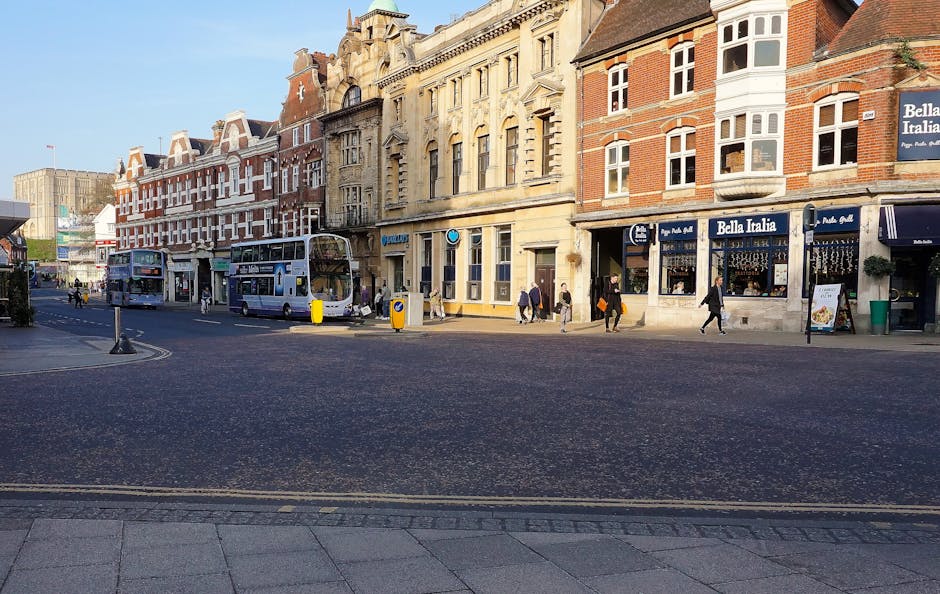
Why Rubbish removal Ilford High Road shops and cafes Matters
On a busy High Road, waste is not just a back-of-house nuisance. It affects curb appeal, odour, hygiene, staff morale, stock handling, and the way people feel when they walk past your doorway. For shops and cafes in particular, there is a simple reality: customers notice a lot more than you think. A black bag left too long, a cardboard stack leaning awkwardly by the rear entrance, or a wheeled bin overflowing at 8:30 in the morning can make a place feel neglected.
That matters even more in mixed retail and hospitality streets where footfall is constant and space is tight. Delivery drivers need access. Staff need a clear route for waste. Neighbours do not want smells drifting across shared access points. And if you serve food, waste control quickly becomes part of everyday standards rather than an occasional task. Nobody loves thinking about bin logistics, but there we are.
Good rubbish removal also supports a more professional workflow. When waste is removed on a sensible schedule, teams spend less time shifting bags around, cleaners can work properly, and managers can focus on trading rather than chasing bin overflow. That is especially useful for businesses that receive packaging-heavy deliveries, produce food waste, or have limited storage at the rear.
If you are building a cleaner, more organised operation, it can help to read wider guidance on commercial waste disposal services and compare that with your day-to-day needs. For multi-site operators, pages like business waste collection can also be useful when you are thinking about routine clearances rather than one-off jobs.
How Rubbish removal Ilford High Road shops and cafes Works
For most shops and cafes, rubbish removal is a straightforward process, but the detail matters. A provider will usually assess the type and volume of waste, how often it builds up, and whether the collection needs to be timed around opening hours, deliveries, or closing time. In a high-traffic area like Ilford High Road, timing is often as important as the actual clearance.
In practical terms, the service can cover:
- general commercial rubbish
- cardboard and packaging
- food waste and kitchen waste
- old shelving, fixtures, and display items
- broken furniture or small equipment
- mixed waste from refurbishments or seasonal resets
Some businesses need a regular collection model; others just need a one-off clearance after a refit, stockroom clear-out, or end-of-lease tidy-up. The right approach depends on what is actually happening in your unit, not what sounds convenient on paper.
A typical service flow looks like this:
- You describe the waste type, access point, and timing constraints.
- The provider estimates the load size and likely labour required.
- A collection slot is arranged to minimise disruption.
- The waste is removed, sorted where appropriate, and taken away responsibly.
- You receive confirmation or paperwork where needed for business records.
For many businesses, the key question is whether the job is best handled as a scheduled routine or as an ad hoc clearance. If you are unsure, a sensible first step is to review broader service options such as same day rubbish removal or house clearance style clearance pages if your needs overlap with mixed contents or bulky items. The names can sound domestic, but sometimes a small business fit-out looks surprisingly similar in practice.
Key Benefits and Practical Advantages
When rubbish removal is organised properly, the benefits show up in small ways first. The rear passage stays clear. The smell is less noticeable. The staff do not have to play bin Tetris before lunch. Then the bigger advantages start to appear too: fewer complaints, a better impression on customers, and a smoother day-to-day routine.
Here are the main practical benefits for shops and cafes on or near Ilford High Road:
- Cleaner customer perception: the outside of your business feels cared for, not improvised.
- Less disruption to trade: waste is removed at times that suit your opening hours.
- Better hygiene management: food-related waste and packaging do not sit around longer than they should.
- Safer working space: fewer trip hazards, blocked exits, and awkward stacks in back areas.
- More room for stock and operations: a clear stockroom is a more usable stockroom, simple as that.
- Improved consistency: regular collection reduces the "we'll sort it later" build-up that tends to snowball.
There is also a commercial advantage that people sometimes miss. Waste problems quietly eat time. Staff spend minutes moving bags, handling overflow, or wondering where to put broken boxes. Across a week, those little interruptions add up. If you run a cafe where service is fast and space is narrow, that wasted time becomes visible very quickly.
Expert takeaway: For local retail and cafe businesses, the best rubbish removal setup is usually the one that keeps the front of house calm, the back area clear, and the collection schedule predictable enough that nobody has to think about bins all day.
Who This Is For and When It Makes Sense
This kind of waste clearance is useful for a broad range of businesses, but it is especially relevant if your unit generates repeated packaging, food waste, or bulky items that do not fit neatly into normal collections. If you are operating on a busy parade or in a shared premises, you may also have limited storage, which makes rubbish build-up happen faster than you would expect.
It is a good fit for:
- independent cafes and coffee shops
- bakeries and sandwich shops
- convenience stores and small retailers
- takeaways and food counters
- salons and barbers with packaging and fit-out waste
- shops preparing for a refit, rebrand, or stock reset
- landlords and managers handling end-of-tenancy clearances
It also makes sense when you are dealing with a peak period. Christmas stock. Summer menu changes. A refurbishment just before reopening. A sudden burst of packaging from a delivery-heavy week. In those moments, the waste stream changes shape and a normal routine may not be enough.
If your business involves food, you may need to be extra careful about timing and storage, especially where waste is kept behind the premises or near shared walkways. The aim is not merely "removal", but removal that fits the reality of your site. That's the bit people often overlook.
Step-by-Step Guidance
If you want a cleaner system rather than a one-off fix, it helps to think in steps. Not every business needs the same setup, but the process of planning is fairly consistent.
1. Identify the waste stream
Start by separating what you actually throw away. Cardboard, mixed packaging, general rubbish, food waste, and bulky items all behave differently. A cafe with lots of cups and packaging has different needs from a clothing shop that mostly deals with hangers, tissue paper, and delivery boxes.
2. Estimate volume honestly
People often underestimate waste. It happens all the time. A pile that looks manageable at 3pm can become a serious load by closing time, especially after deliveries. Look at the size of your bins, the frequency of overflow, and whether waste is accumulating in corners or behind counters.
3. Decide between regular and one-off removal
Regular removal suits businesses with ongoing waste generation. One-off clearance works better for fit-outs, seasonal projects, or occasional bulky waste. If you are not sure, think about whether your waste is predictable. If it is, regular collection usually wins.
4. Plan access and timing
High Road locations can be awkward. Shared entrances, narrow alleys, evening trade, and parking pressure all affect the collection. Decide whether the best window is early morning, mid-afternoon, or after closing. A good provider will want clear access information up front so the job does not become a shuffle.
5. Separate recyclable material where practical
Cardboard, clean packaging, and some other recyclable materials are often easier to manage when separated early. That keeps your back area less chaotic and may also make the job more efficient. It is a small habit, but useful.
6. Keep records and confirm expectations
Business waste management is easier when expectations are clear. Note what was removed, when it happened, and whether there were any access issues. That record becomes helpful if waste volumes change or if you need to compare collection patterns over time.
7. Review after the first collection
After the first few clearances, ask one simple question: did the setup actually reduce stress? If not, the schedule or waste separation method probably needs tweaking. The best systems are rarely perfect on day one.
Expert Tips for Better Results
Small improvements tend to make the biggest difference. A smarter bin arrangement, better timing, and cleaner separation can save more hassle than any dramatic overhaul.
Here are a few grounded tips that work well for Ilford High Road shops and cafes:
- Use labelled waste points: staff are more likely to sort waste properly when the bins are obvious and easy to reach.
- Keep cardboard flattened immediately: it looks like a tiny thing, but bulky cardboard is a space thief.
- Schedule removals before the weekend rush: that is often when waste surges, especially for food businesses.
- Protect access routes: a clear path from rear storage to collection point can save minutes every single time.
- Train staff on "what goes where": if you have new team members, waste rules need to be visible, not hidden in a folder nobody opens.
- Watch for hidden bulky waste: broken chairs, old display units, packaging pallets, and redundant fixtures have a way of lingering.
One thing I've noticed in busier local premises: the back of house often looks fine right after a tidy-up, then one delivery later it's already under pressure again. That is normal. The trick is not expecting perfection; it is building a system that recovers fast.
And if your business is planning a change of use, refit, or stockroom clear-out, it can help to look at related services such as furniture disposal or office clearance where shelving, desks, seating, or mixed contents are part of the job. Sometimes the waste is not just waste; it is the old shape of the business.

Common Mistakes to Avoid
Most waste headaches come from a few familiar mistakes. None of them are dramatic, but they do create avoidable mess and expense.
- Leaving collections too late: if overflow has already started, the job is harder and often more disruptive.
- Mixing waste types without checking: general rubbish, recyclables, and food waste should not all be treated the same way.
- Ignoring access problems: a collection plan that forgets about parking, shutters, or shared entry points usually falls apart.
- Underestimating volume after busy periods: a promotion, a refit, or a stock change can create more waste than normal.
- Keeping waste too close to customer routes: it only takes one awkward moment near the entrance to affect the whole feel of the place.
- Failing to brief staff: if people do not know the system, they improvise. And improvisation with rubbish is rarely elegant.
A particularly common issue is assuming the council bin arrangement will be enough on its own. For some businesses, it might be. For many busy shops and cafes, especially those with food packaging or daily deliveries, it isn't enough on its own. Not even close, to be fair.
Tools, Resources and Recommendations
You do not need fancy equipment to manage waste well. What you do need is a simple, consistent setup that fits the size and pace of your business.
Useful tools and practical supports include:
- Clear bin labelling: reduces confusion and makes staff habits more reliable.
- Heavy-duty bin bags: helps prevent breakages and spillages during busy periods.
- Covered storage containers: useful where waste must sit briefly before collection.
- Trolleys or sack trucks: handy for moving bags or boxed waste safely in tight premises.
- Simple collection log: a notebook or digital note showing what went out and when.
- Reusable crates or collapsible cardboard cages: helpful for packaging-heavy businesses.
If you need a broader service overview, pages such as rubbish removal and what we collect can be useful for understanding the kinds of waste commonly handled in commercial settings. For premises facing a major clear-out, a look at properties that we clear can also help you gauge whether your situation is a routine collection or something larger.
A small recommendation from practice: if your cafe or shop has one awkward waste hotspot, fix that first. Usually it is the point where delivery boxes land, staff pass through, and rubbish briefly rests before going out. That corner can quietly dictate the whole level of order in the business.
Law, Compliance, Standards, or Best Practice
Commercial waste handling in the UK is not something to treat casually. You do not need to become a legal specialist, but you do need sensible procedures and a basic understanding of your responsibilities. For shops and cafes, that usually means arranging commercial waste collection properly, storing waste safely, and making sure waste is handled by someone appropriate for the material involved.
Best practice generally includes:
- keeping waste secure and not obstructing public access
- separating waste types where practical and sensible
- using reputable providers with suitable business waste handling processes
- keeping records where your business needs them for internal checks or audits
- being careful with food waste, sharp items, and bulky disposal items
If you produce food waste, greasy packaging, or other potentially odorous material, storage time matters. Keep waste contained and do not let it linger if you can avoid it. That sounds obvious, but the reality of a busy trading day often makes obvious things the first to slip.
You should also be cautious about placing waste in a way that creates nuisance for neighbours, staff, or pedestrians. On a road like Ilford High Road, shared space and foot traffic make this more than a housekeeping issue. It becomes part of how your business behaves in the street.
For fit-outs and larger clearances, it is sensible to separate commercial waste from reusable items and from anything that may require special handling. If you are unsure, ask for clarification before the removal date rather than after the bags are already stacked by the door. Much easier that way.
Options, Methods, or Comparison Table
Not every business needs the same waste solution. The right choice depends on volume, frequency, waste type, and the amount of space you have. A small cafe with a compact back room will need a different setup from a retail unit with delivery stock and display furniture.
| Method | Best for | Strengths | Trade-offs |
|---|---|---|---|
| Regular scheduled collections | Busy cafes, daily trading shops, food businesses | Predictable, tidy, less overflow | May be more than needed during quieter weeks |
| One-off rubbish removal | Refits, clean-outs, seasonal clearances | Flexible, fast, ideal for short-term needs | Not designed for ongoing waste build-up |
| Mixed commercial clearance | Units with varied waste types and bulky items | Handles a broad range in one visit | Needs clearer item sorting and access planning |
| Recycling-led separation | Packaging-heavy shops and cafes | Better organisation, easier handling of cardboard | Requires staff discipline and space for separation |
If you are weighing up options, the key question is simple: do you need routine control, or a short burst of clearance? A lot of businesses need both at different times. That is normal. The trick is matching the method to the week you are actually having, not the quiet week you wish you had.
Case Study or Real-World Example
Imagine a small cafe near Ilford High Road with limited rear storage, a steady stream of takeaway cups and packaging, and a weekly delivery of dry goods. On Monday morning, everything looks manageable. By Wednesday lunchtime, cardboard is piling up, the bin area feels cramped, and staff are moving waste around just to make room for stock.
The cafe decides to introduce a better waste routine. Cardboard is flattened as it arrives. Food waste is kept separate. A collection slot is arranged for the quietest part of the day, just after opening on a weekday morning. Within a couple of weeks, the back area feels calmer and the team no longer has to awkwardly slide boxes past each other like a small logistics puzzle.
What changed? Not magic. Just a more realistic system.
That is often how it goes. The biggest improvement usually comes from removing friction, not from making the process fancy. The staff are happier, the bins stop dominating the rear space, and customers never need to think about what happens behind the counter. Which is exactly how it should be.
For businesses dealing with larger items during a refresh, it can also be worth considering related removal support like garden clearance if outdoor seating or frontage areas have accumulated waste, or garage clearance where storage areas are being repurposed. Different page names, same underlying need: clear the space, keep the work moving.
Practical Checklist
Use this checklist before booking or scheduling a waste clearance for your shop or cafe.
- Identify the waste type: general, cardboard, food-related, bulky, or mixed.
- Estimate how much waste needs removing and whether it is a one-off or recurring issue.
- Check access routes, parking constraints, and the best time window for collection.
- Confirm whether any items need separating before collection day.
- Clear the route from storage area to collection point.
- Tell staff what is being removed so nothing useful gets mixed in by mistake.
- Keep fragile or sharp waste safely contained.
- Make sure waste does not block customer entrances or shared paths.
- Review the result after the first clearance and adjust if needed.
- Decide whether you need a recurring schedule going forward.
Quick summary: if your waste is predictable, set a routine. If it is seasonal, bulky, or tied to projects, plan targeted clearances. Either way, the goal is the same: keep the business looking sharp and the work area easy to manage.
Conclusion
Rubbish removal for Ilford High Road shops and cafes is not just about taking bags away. It is about keeping a busy local business orderly, presentable, and easy to run. When waste is handled properly, the whole place feels better: cleaner entrance, calmer back room, fewer interruptions, fewer smells, fewer small problems turning into bigger ones.
For independent businesses especially, that can make a real difference. It is one of those unglamorous jobs that quietly supports everything else. And honestly, that matters. Customers may never comment on a tidy waste area, but they will notice the feeling of a place that is under control.
If you are ready to improve your waste routine, start with the type of rubbish you generate most often, then match the collection method to your trading pattern. Keep it simple, keep it realistic, and give yourself a system that works on a busy Tuesday, not just on paper.
Get a free quote today and see how much you can save.
When the bins are under control, everything else in the day tends to breathe a little easier.